Pregnancy is a beautiful time, but your body needs extra care. A simple self-care routine can help you feel more comfortable, relaxed, and supported throughout pregnancy. Small habits can make your days easier as your body changes.
Self-care does not need to be complicated. Rest, gentle movement, hydration, nourishing meals, quiet time, and pregnancy-safe relaxation can all become part of your routine. For expecting mothers in Muscat, a relaxing pregnancy massage at home can also become a comfortable part of weekly self-care.
Why Self-Care Matters During Pregnancy
Pregnancy brings many physical and emotional changes. Your body works harder as your baby grows, and you may notice back discomfort, tired legs, swollen feet, muscle tension, or changes in sleep.
Your emotional needs can also change during pregnancy. Some days may feel energetic and positive, while others may feel tiring or overwhelming. Giving yourself time to slow down can help you feel more comfortable and connected with your body.
Self-care is not about doing everything perfectly. It is about creating small moments that support your comfort and wellbeing throughout the different stages of pregnancy.
The American College of Obstetricians and Gynecologists recommends regular physical activity for most women with uncomplicated pregnancies, with activities adjusted to individual needs and medical guidance.
Build a Simple Morning Routine
Your morning can set the tone for the rest of your day. You do not need a long routine to feel more prepared. Start with a few simple habits that make you feel comfortable and calm.
Drink Water After Waking
Keep water beside your bed so it is easy to reach. Having water nearby can make hydration a natural part of your morning instead of something you remember later.
Drink slowly rather than waiting until you feel very thirsty. Keep a reusable bottle nearby throughout the day so you can continue drinking water while working, resting, or moving around the house.
Take a Few Quiet Minutes
Before checking your phone or starting household tasks, sit quietly for a few minutes. Take slow breaths and notice how your body feels that morning.
You can use this time for gentle breathing, prayer, meditation, or simply sitting somewhere peaceful. The goal is to start your day without immediately rushing into your routine.
Eat a Nourishing Breakfast
A balanced breakfast can help you start your day with steady energy. Choose foods that fit your pregnancy nutrition plan and feel comfortable for you.
Your healthcare provider can guide you based on your individual needs and pregnancy stage. If you are experiencing nausea or other food-related concerns, discuss them during your prenatal appointments.
Add Gentle Movement to Your Day
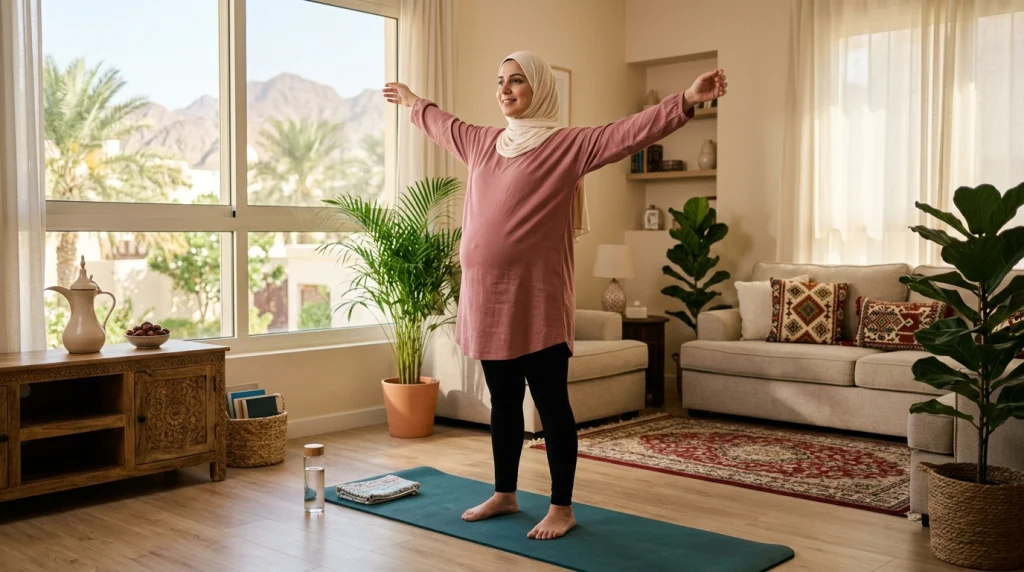
Movement can be an important part of pregnancy self-care. Walking is a simple option for many expecting mothers, while gentle prenatal exercises may also support comfort and mobility.
The ACOG guidance on exercise during pregnancy explains that regular physical activity can support overall health and may help with common pregnancy discomforts such as back pain.
Pregnancy is different for every woman, so your routine should match your individual needs. Before starting or changing an exercise routine, discuss it with your obstetrician or maternity care provider.
You should never feel pressured to complete a difficult workout. Even a short, comfortable walk can give you gentle movement and a refreshing change of environment.
Give Your Body Time to Rest
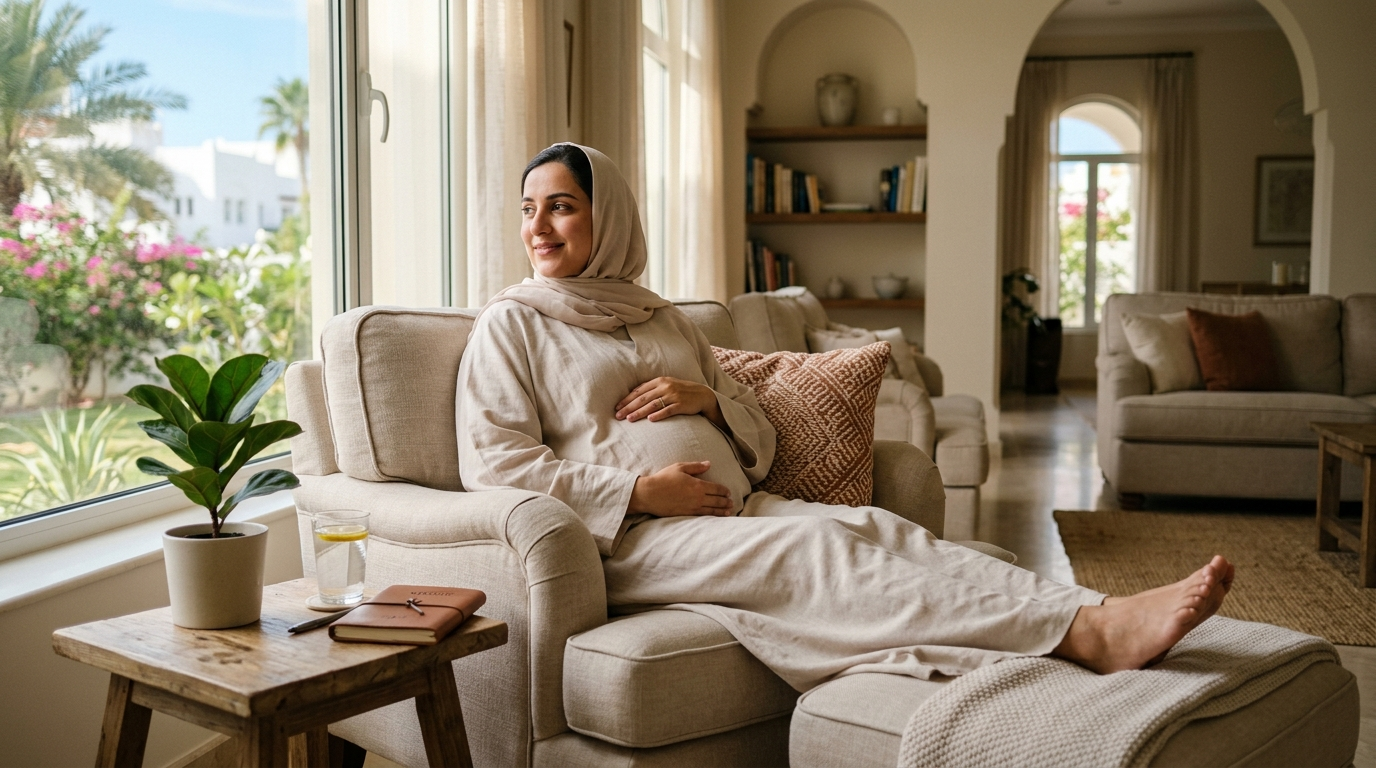
Rest is an important part of pregnancy self-care. Your body is going through constant changes, and tiredness can be especially common during early and late pregnancy.
Instead of waiting until you feel completely exhausted, build short rest periods into your day. Sit down when you need to, put your feet up, and take breaks between demanding tasks.
You can also ask your partner or family for help with household responsibilities. Giving yourself more time to rest can make your daily routine feel easier and less tiring.
Create a Relaxing Evening Routine
Evening is a good time to slow everything down. Start by reducing unnecessary screen time and finishing demanding tasks before you begin your relaxation routine.
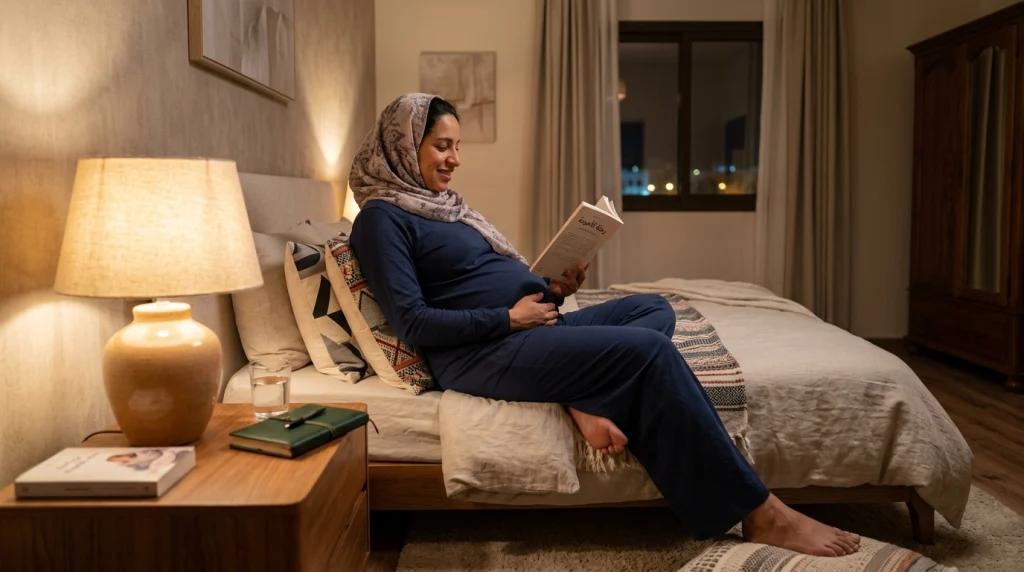
Take a comfortable shower and change into loose clothing. Dim the lights and choose something calming, such as reading, listening to soft music, practicing breathing, or spending quiet time with your partner.
A consistent bedtime routine can make relaxation easier. If sleep problems continue or become difficult to manage, speak with your doctor or maternity care provider.
Try Simple Breathing Exercises
Breathing exercises can fit easily into your daily routine. You can practice them while sitting on your sofa, resting in bed, or taking a quiet break during the day.
Sit in a comfortable position and relax your shoulders. Breathe in slowly, then breathe out gently, continuing for a few minutes without forcing your breathing.
The ACOG guidance on anxiety and pregnancy includes mindful breathing and similar approaches as simple ways to support wellbeing. The goal is to create a calm moment, not to perform a complicated exercise.
Make Hydration Part of Your Routine
Hydration is an important part of pregnancy self-care. Keep water accessible at home and when you go outside so drinking regularly becomes easier.
A reusable bottle can help you keep water nearby throughout the day. You can also include water-rich foods in your meals as part of a balanced pregnancy diet.
Individual hydration needs can vary during pregnancy. If your healthcare provider has given you specific fluid recommendations, follow those recommendations instead of general guidelines.
Choose Comfortable Clothing
Comfort should come first during pregnancy. Choose loose clothing that allows easy movement and does not make you feel restricted as your body changes.
Soft fabrics can feel especially comfortable when your skin feels more sensitive. Supportive footwear may also help when your feet feel tired after standing or walking.
At home, create a comfortable space where you can sit, rest, and change positions easily. Small changes around you can make your self-care routine much easier.
Take Care of Tired Feet and Legs
Your feet and legs can feel different as pregnancy progresses. You may spend more time standing, walking, or completing daily tasks, which can leave your legs feeling tired.
When possible, take short breaks and sit down for a while. You can also elevate your legs comfortably while resting and change positions regularly throughout the day.
If you notice unusual swelling, pain, redness, or other concerning symptoms, speak with your healthcare provider. Do not rely on massage or home remedies for symptoms that may need medical attention.
Make Your Home Feel More Relaxing
Your environment can influence how easily you relax. You do not need to redesign your home to create a peaceful space.
Choose one comfortable area where you can sit and unwind. It could be a chair, a bedroom corner, or part of your living room where you feel relaxed.
Keep useful items nearby, such as water, cushions, a light blanket, a book, headphones, or a small journal. Having everything within reach makes it easier to take short breaks during the day.
Add Pregnancy Massage to Your Self-Care Routine
Massage can be another relaxing option during pregnancy when it is appropriate for your individual situation. Pregnancy massage uses techniques and positioning that are adapted for expecting mothers.
Nasma Relaxation provides pregnancy massage in Muscat with trained therapists and a comfort-focused approach. Sessions are designed around gentle techniques, suitable positioning, privacy, and the comfort of expecting mothers.
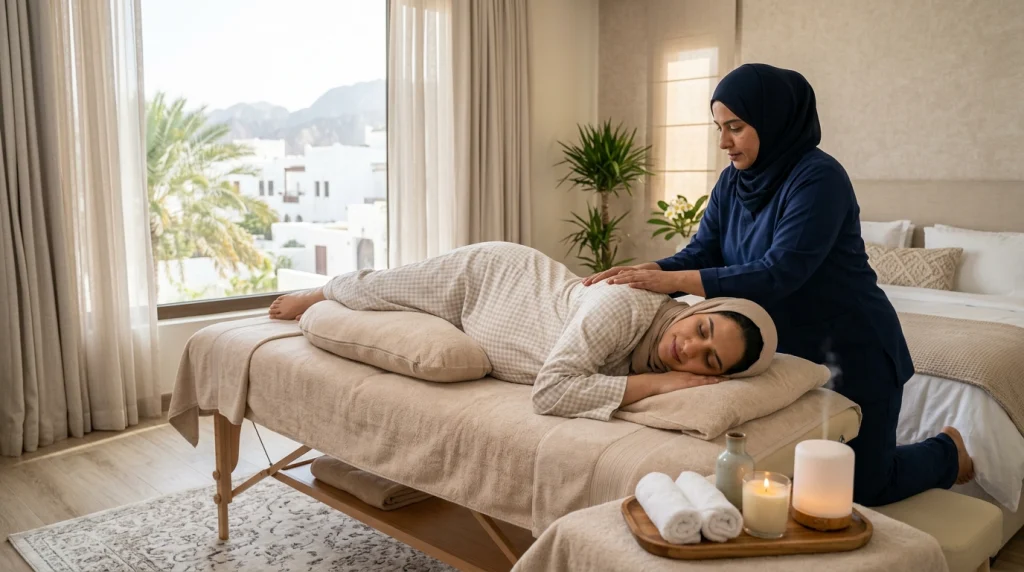
Pregnancy massage may help you relax and may provide comfort for common areas of tension, such as the back, hips, and legs. However, massage is not a replacement for prenatal medical care.
If you have pregnancy complications or specific medical concerns, discuss massage with your healthcare provider before booking a session.
Why Home Pregnancy Massage Can Feel More Relaxing
Travel can become less comfortable as pregnancy progresses. You may prefer to relax at home instead of getting ready, driving to a spa, and travelling back after your appointment.
With a home massage, you can prepare your own space before the therapist arrives. There is no waiting room, and you can continue resting once the session is finished.
Nasma Relaxation provides home massage services across Muscat. You can also explore our massage services in Muscat to see the different treatments available for home relaxation.
Pregnancy Massage at Home Across Muscat
Travel can become less comfortable as pregnancy progresses. You may prefer to relax at home instead of getting ready, driving to a spa, and travelling back after your appointment. A home massage lets you enjoy your session in a familiar and private environment.
Nasma Relaxation provides home massage services across several areas of Muscat, including Al Khuwair, Qurum, Shatti Al Qurum, Bausher, Al Mouj, and Ruwi. This makes it easier for expecting mothers to include relaxation in their routine without adding unnecessary travel.
If you live in Bausher, you can also explore our dedicated massage service in Bausher. For pregnancy-specific care, visit our pregnancy massage in Muscat page to learn more about the treatment and home service.
Why Choose a Home Pregnancy Massage?
With a home massage, you can prepare your own space before the therapist arrives. There is no waiting room, and you can continue resting once the session is finished.
You can choose a quiet room, keep your water nearby, and wear comfortable clothing before the session. After the massage, you can continue relaxing at home instead of travelling immediately after your appointment.
Prepare Your Space Before a Massage
A few simple preparations can make your session more comfortable. Choose a quiet room with enough space for the massage setup and keep the temperature comfortable.
Keep water nearby and wear comfortable clothing before your therapist arrives. Tell your therapist about any areas that feel uncomfortable before the session begins.
Most importantly, communicate throughout the treatment. If a position or pressure level does not feel comfortable, let your therapist know immediately so the session can be adjusted.
Choose a Pregnancy-Specific Massage Therapist
Pregnancy massage is different from a standard massage. Positioning, pressure, technique, and comfort need additional attention when working with an expecting mother.
Choose a therapist with suitable pregnancy massage experience. You should also feel comfortable discussing your trimester, symptoms, preferences, and concerns before the session.
If you are comparing providers in Muscat, read our guide on how to choose a pregnancy massage service in Muscat. It covers therapist training, positioning, hygiene, pricing, and other practical considerations.
Ask Your Healthcare Provider Before Massage
Self-care should always fit your individual pregnancy. If you are unsure whether massage is suitable for you, speak with your obstetrician, midwife, or healthcare provider.
You can ask whether pregnancy massage is suitable for you, which trimester is appropriate, and whether there are any positions or techniques you should avoid. You can also discuss any current symptoms or pregnancy-related concerns.
If you want to prepare before speaking with your provider, read our guide on questions to ask before booking pregnancy massage. It can help you understand what to discuss before arranging your appointment.
Keep Your Self-Care Routine Simple
A good pregnancy routine does not need ten different steps. Start with the basics and build habits that genuinely make your day feel easier.
Drink enough water, eat nourishing meals, move gently when appropriate, take regular breaks, and protect your sleep. Make time for activities that help you feel calm and supported.
You can also schedule one dedicated self-care session each week. This could be a quiet evening, a gentle walk, prenatal relaxation, or a pregnancy massage at home if your healthcare provider says it is appropriate.
The routine should support you rather than become another task to complete. Keep it simple enough that you can maintain it throughout pregnancy.
A Simple Weekly Self-Care Plan
You can use a simple structure as a starting point. Adjust it according to your energy, schedule, pregnancy stage, and healthcare provider’s advice.
Every Morning
Drink water after waking and have a nourishing breakfast. Take a few quiet minutes before starting your daily responsibilities.
Check how your body feels that morning. If you feel more tired than usual, give yourself extra time to rest.
During the Day
Take short rest breaks and stay hydrated. Choose gentle movement when appropriate and avoid staying in one position for too long.
Give yourself enough time between demanding tasks. You do not need to complete everything at once.
In the Evening
Reduce unnecessary screen time and allow yourself to slow down. Take a comfortable shower, practice gentle breathing, or spend quiet time with your family.
Prepare for sleep without rushing. A calm evening can help you transition from a busy day into a more restful night.
Once a Week
Schedule something just for yourself. Read a book, take a relaxing walk, enjoy a quiet meal, or spend time doing something you genuinely enjoy.
If pregnancy massage is suitable for you, you can also include a professional session as part of your weekly or occasional relaxation routine.
Self-care works best when it becomes consistent rather than complicated.
Listen to Your Body
Pregnancy changes from week to week. Something that feels comfortable at one stage may feel different later, so pay attention to how your body responds.
Slow down when you need rest and communicate changes with your healthcare provider. Your comfort should remain a priority as your pregnancy progresses.
Do not use massage, exercise, or home remedies to manage symptoms that may need medical attention. Your healthcare provider can help you understand what is appropriate for your individual pregnancy.
Self-Care Is About You Too
Pregnancy naturally brings a lot of attention to the baby. Appointments focus on your pregnancy, family members ask how you are feeling, and you may spend much of your time preparing for the baby’s arrival.
But your own wellbeing matters too. Taking twenty quiet minutes does not make you selfish, and asking for help does not mean you are doing less.
Self-care gives you space to pause and reconnect with yourself. It can be as simple as drinking water, taking a short walk, resting with your feet up, or enjoying a peaceful massage at home.
Frequently Asked Questions
What is a good self-care routine during pregnancy?
A simple routine can include hydration, nourishing meals, gentle movement, regular rest, good sleep habits, breathing exercises, and relaxing activities. Your healthcare provider can help adjust the routine according to your individual pregnancy.
Can I have a massage during pregnancy?
Massage may be suitable for many pregnant women, but individual circumstances matter. Speak with your healthcare provider before booking if you have concerns, pregnancy complications, or symptoms that need medical attention.
Is pregnancy massage different from regular massage?
Yes. Pregnancy massage uses positioning and techniques adapted for expecting mothers. A trained therapist can adjust the session around your comfort, pregnancy stage, and individual needs.
Can I get pregnancy massage at home in Muscat?
Yes. Nasma Relaxation provides pregnancy massage at home in Muscat with trained therapists and a private home setup designed around comfort and relaxation.
How often should I practice self-care during pregnancy?
Small self-care habits can become part of your daily routine. You can also plan a longer relaxation activity once or twice each week, depending on your comfort, schedule, and healthcare guidance.
What should I do if I feel tired during pregnancy?
Rest when you need it and reduce unnecessary physical demands. Prioritize sleep and ask for help with tasks when needed. If tiredness feels severe, unusual, or concerning, discuss it with your healthcare provider.
Can I exercise during pregnancy?
Many women with uncomplicated pregnancies can remain physically active. However, the right activity and intensity can vary, so discuss your exercise routine with your obstetrician or maternity care provider.
Where can I book pregnancy massage in Muscat?
Nasma Relaxation offers pregnancy massage at home across Muscat. You can visit the pregnancy massage service page for more information about the treatment and booking.
Create a Self-Care Routine That Feels Good
Pregnancy self-care does not need to be complicated. Start with small habits that make your day more comfortable and support your physical and emotional wellbeing.
Drink water, rest when you need it, move gently when appropriate, protect your sleep, and make time for quiet moments. Most importantly, choose routines that fit your pregnancy rather than trying to follow someone else’s schedule.
If pregnancy massage is suitable for you, a professional session at home can become a simple part of that routine. Nasma Relaxation offers pregnancy massage in Muscat with trained therapists and a comfortable home setup.
When you are ready, contact Nasma Relaxation to discuss your preferred date, location, and pregnancy massage session.
Ready to Experience 5-Star Home Wellness in Muscat?
Contact our certified female therapists on WhatsApp for same-day bookings across Muscat (Al Khuwair, Qurum, Bausher, Al Mouj, Ruwi).
Book Now on WhatsApp (+968 7643 3822)